
How to Actually Release Unwanted Feelings
Conflict isn’t inherent — it’s born from the labels we attach.
The other day, I caught myself judging my emotions without even realizing it. I was feeling a mix of tension and irritation after waking up, and my first instinct was to judge it: Ugh, I’m so off today… this is bad juju.
When I noticed myself resisting the resistance, I paused — and I softened. Nothing was actually wrong. I was just feeling what is like to be human sometimes.
I didn’t need to fix it.
I didn’t need to spiritualize it.
I just needed to be with it.
The resistance didn’t magically vanish, but something subtle did shift — my grip on the idea that it shouldn’t be there.
We’ve all been conditioned to label our emotions as good or bad, productive or pointless, worthy or shameful. But judgment isn’t just a mental habit — it’s a filter that distorts our experience. It narrows our emotional bandwidth and turns inner discomfort into identity:
“I’m feeling anxious,” becomes “I am broken.”
“I’m sad,” becomes “I am weak.”
Not today. Today we are shuffling our definitions with a gentle but radical invitation — to let go of the judgment, and instead reach for something much more liberating: discernment.
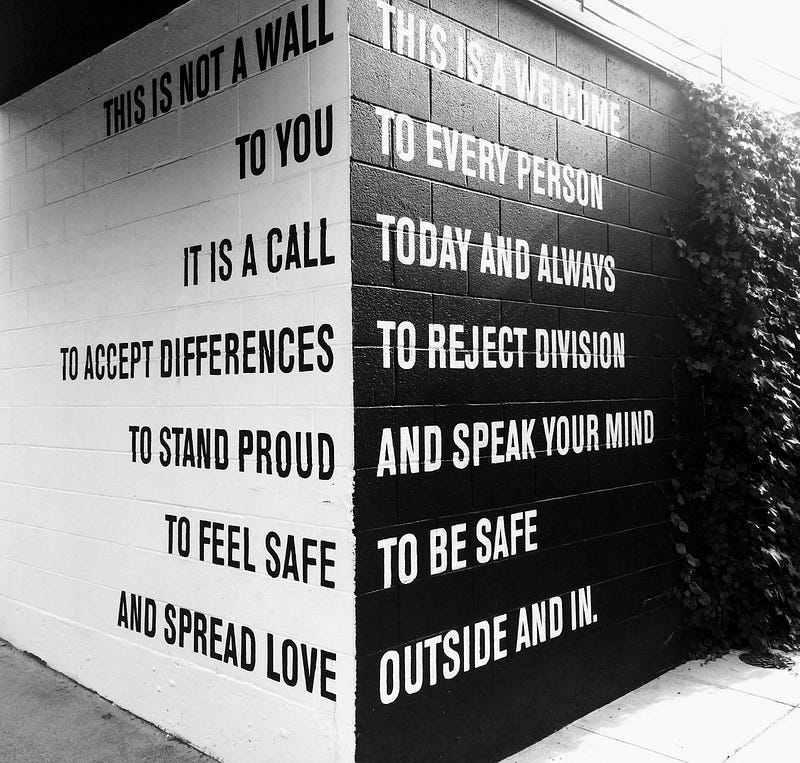
By their very reactive nature, judgments tend to be fast. Automatic. Often unconscious. We feel something uncomfortable and label it as bad. We hear someone’s opinion that we dislike, and quickly file it away as wrong. But what happens when we stop and notice the judgment instead of feeding it?
“When we judge, our focus leans closer towards an extreme of the spectrum. This makes it more challenging to see the bigger picture and consider opposing views. Our reality becomes solely focused on one side of the coin, which receives our full attention.”
Judgment doesn’t just label the experience — it creates resistance to it. That resistance can show up as self-criticism, defensiveness, suppression, or the urge to distract ourselves. It also reinforces binary thinking — good vs. bad, right vs. wrong — and with it, the illusion that we have to either cling or reject. But feelings don’t need to be judged for emotions to be processed. In fact, judgment keeps them stuck. Acceptance, on the other hand, allows them to move.
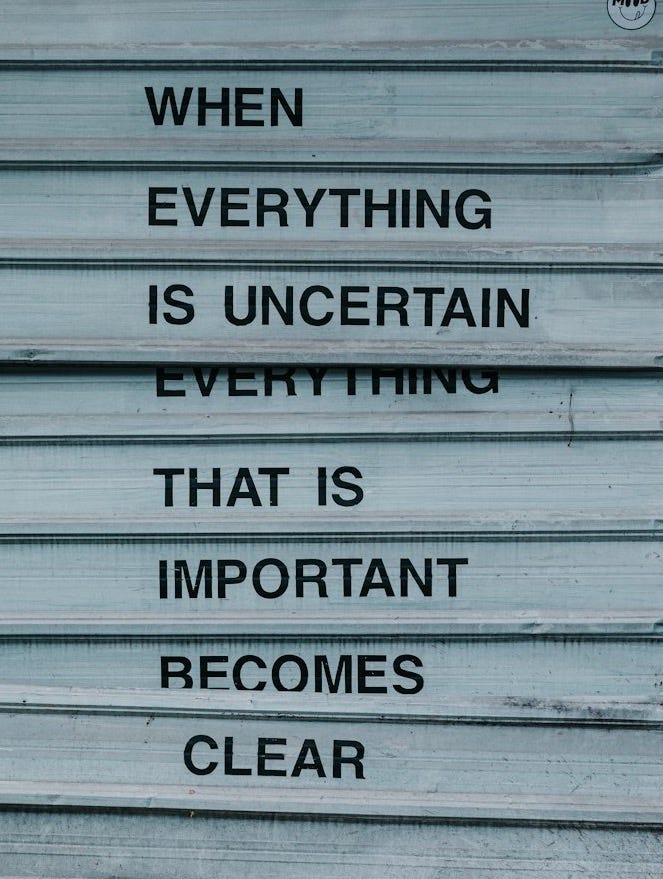
This is where discernment comes in — not as a passive observer, but as an active, compassionate witness. While judgment stretches the duality of nature into the polar opposites of the spectrum, discernment is the spectrum. It asks, What am I really experiencing right now? Not from a place of fixing or analyzing, but from spacious, grounded curiosity.
Judgment creates boxes.
Discernment creates bridges.
In the polarized world we live in today, judgment serves to amplify the extremes. It says: “This is good, that is bad.” “This feeling is acceptable, that one isn’t.” But duality, at its core, isn’t a problem. It’s the nature of form — essential for contrast.
What becomes problematic is when we assign value judgments to the contrast, turning duality into division.
That’s when we start bracing against pain, clinging to pleasure, and wondering why peace keeps slipping through our fingers.
“Conflict only exists when a situation, event, or feeling is judged as such.”
The Antidote
Unlike judgment, discernment allows us to see a feeling, thought or circumstance for what it is — just a part of the human experience — without making it mean something about us.
“When we explore duality mindfully, the need to attach judgment to things and people, including ourselves, cease to be of service, as we find fulfillment in observing with curiosity, acceptance, and compassion the diversity of experiences we can all choose from to live a more meaningful life, whatever that means to us in that moment, without invalidating anyone else's choices.”
Let’s be clear: this isn’t about being indifferent to everything or never having preferences. We’re human. We have values, desires, instincts.
But there’s a difference between discernment and judgment.
Judgment is reactive, rigid, binary. It says: good/bad, right/wrong, better/worse.
Discernment is observational, spacious, curious. It says: What’s actually happening here? What am I believing? Is this true? And does it resonate with me?
Discernment invites you to stay open. To notice without collapsing into conclusion. Non-judgmental awareness — a radical shift from mental storytelling into presence.

Seeing with Fresh Eyes
This is the “beginner’s mind” in action: meeting each moment without dragging us into our past conditioning or future fears. When we approach our emotions this way, even the ones we’ve tried to avoid for years, they begin to loosen their grip.
When we hold our experience with no preconceive notions of what we are experiencing, we make space for the moment to show us something new, even if we’ve “been here” a thousand times before.
It’s the difference between walking the same trail with earbuds in vs. noticing the sway of the trees, the crunch of the gravel, the breath in your lungs. You may be doing the same action, but your awareness changes everything. Instead of judging the moment as boring, hard, frustrating, or not enough — we learn to meet it. As it is. Without resistance.
So, how do we move beyond judgment into discernment?
For starters, when we notice a judgment arising — about a person, a situation, or ourselves — we can pause and ask:
Is this truth or is this habit?
Am I projecting something from the past/ into the future?
We may still have preferences, boundaries, opinions — discernment doesn’t erase those. But it frees us from being ruled by them. We no longer need to shut down, fix, or explain away our experience. We can just feel it, and let it go when it’s ready.
Non-judgment doesn’t mean neutrality in the moral sense. It means presence without distortion. An invitation to come back to wholeness by softening our grip on the labels. And that’s not always comfortable. But it is liberating.
Final Thoughts
Judgment is a habit — one we inherited, practiced, and often internalized so deeply we barely notice it’s there. But once we do, we open a door to something else: clarity.
Freedom.
The ability to hold our experiences, even the messy ones, with more space and less shame. When we replace judgment with discernment, we make it possible to release what we no longer need — not by force, but through acceptance.
Your feelings don’t need fixing.
Your discomfort doesn’t make you wrong.
And your joy doesn’t need to be clung to in order to be real.
When we let go of the labels, we find that most emotions — even the unwanted ones — just want to be felt because that’s how we release them. That’s the quiet gift of non-judgmental awareness: it helps us stop bracing against life, and start flowing with it.
Want to keep exploring?
Watch the full episode:
If you’re new here, welcome! This is part of the Emotional Wellbeing Series, where we learn how to build a relationship to ourselves to live more consciously. So far, we’ve been exploring the foundations of emotional intelligence — and now, we’re diving into the next layer of self-awareness, mindfulness.
👉 Whenever you are ready, you can start from the beginning here.
What emotion or part of you gets judged the most — and what might shift if you met it with curiosity instead?
I’m curious to know: how do you define discernment, and how does it feel different from judgment? Let me hear your reflections in the comments.