
Breaking the Loop: How to Recognize and Shift Automatic Patterns
This is how you stop the spiral.
We all have those moments.
You say something before you think. You reach for your phone, snack, or credit card — almost reflexively. You replay the same fight, find yourself spiraling in the same emotional rut, or feel stuck in a story you can’t seem to break free from.
And when you try to change it? It feels like swimming upstream — exhausting and impossible.
This is automaticity — the brain’s way of conserving energy by repeating what’s familiar, even if it’s painful. Mindlessness, or living on autopilot, isn’t just forgetfulness — it’s a survival strategy we’ve unconsciously leaned on for years. But guess what? If you want, you can change the program.
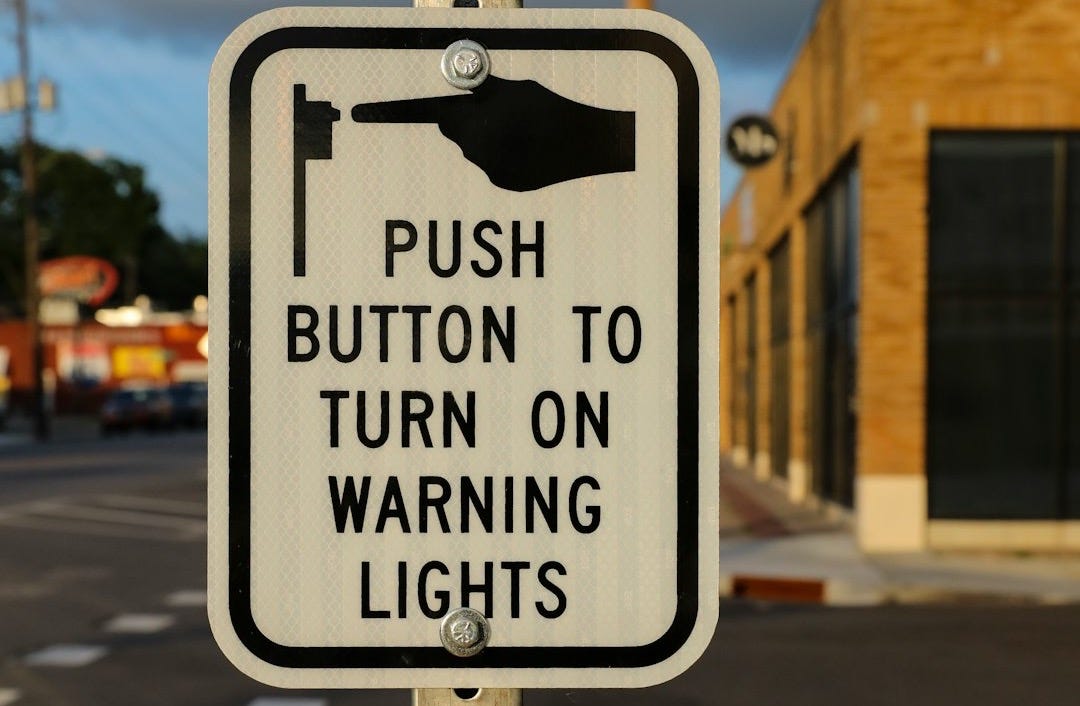
The modern world continues to roll out technology like an endless all-you-can-eat buffet — scroll, click, consume, repeat. We’re stuffed but unsatisfied… full of options, yet still starving for what can't be automated: ... presence.
The Invisible Loop
Let’s say you get an email with unexpected criticism. Before you even process the words, your body tenses. Maybe your stomach flips or your face gets hot. A familiar voice in your head kicks in: “I messed up again. Why can’t I get it right?” That voice fuels a surge of emotion, and soon you’re deep in a spiral — shame, frustration, maybe defensiveness or withdrawal.
All of this happens in seconds. And if you’re not mindful, it’ll happens again tomorrow.
Mindlessness isn’t just forgetting to pay attention — it’s acting without knowing why you’re acting. It’s the brain relying on pre-programmed responses: stimulus, reaction, repeat. Over time, these grooves become deep. Familiar. Automatic.
“Mindfulness isn’t about never reacting — it’s about noticing when you do, and giving yourself the option to choose differently.”
From Reaction to Response
We tend to believe that thinking our way out of these loops will fix them. But when the mind’s spinning, it’s usually trying to escape something it doesn’t want to feel.
What if the way out... was actually through?
That’s where mindfulness comes in — not as a buzzword, but as a practice of intentional attention. The power to pause. To become aware of what’s happening inside before reacting outside.
For example:
You notice tension rise in your chest after reading that email.
Instead of immediately replying, you take a breath.
You ask: What am I feeling right now? Where is this coming from?
You observe the discomfort without needing to fix or judge.
Take your time, give it space because is from that pause that clarity returns. With clarity comes choice — the choice respond, rather than react.
This is what breaks the cycle — not force, not suppression, but awareness. Again and again, until it becomes your new autopilot.

Practice: The Pattern Disruptor
Try this the next time you feel stuck in a loop:
Pause — Literally. Stop for 5 seconds.
Breathe — Deeply. Let your body come online.
Name — What’s the thought? What’s the feeling? Where is it in your body?
Observe — No judging, no fixing. Just presence.
Choose — You have options: do nothing, react as you always do, or respond from a more conscious place. How do you want to meet the moment?
“You don’t have to control your thoughts. You just have to stop letting them control you.”
Final Thoughts
Conscious living isn’t about perfection. It’s about presence. Each time you challenge the pattern, you make it weaker. Each moment of awareness is an opportunity to strengthen the version of you that chooses from the now — not from a wound, not from a script, but from wholeness.
Want to keep exploring?
Watch the full episode:
If you’re new here, welcome! This is part of the Emotional Wellbeing Series, where we learn how to build a relationship to ourselves to live more consciously. So far, we’ve been exploring the foundations of emotional intelligence — and now, we’re diving into the next layer of self-awareness, mindfulness.
👉 Whenever you are ready, you can start from the beginning here.
What’s one habit or reaction you find yourself repeating — and what emotion usually comes before it?
Feel free to share in the comments what you’re learning about your patterns. I’d love to hear it.