
The Hardest Part of Mindfulness No One Talks About (and How to Get Through It)
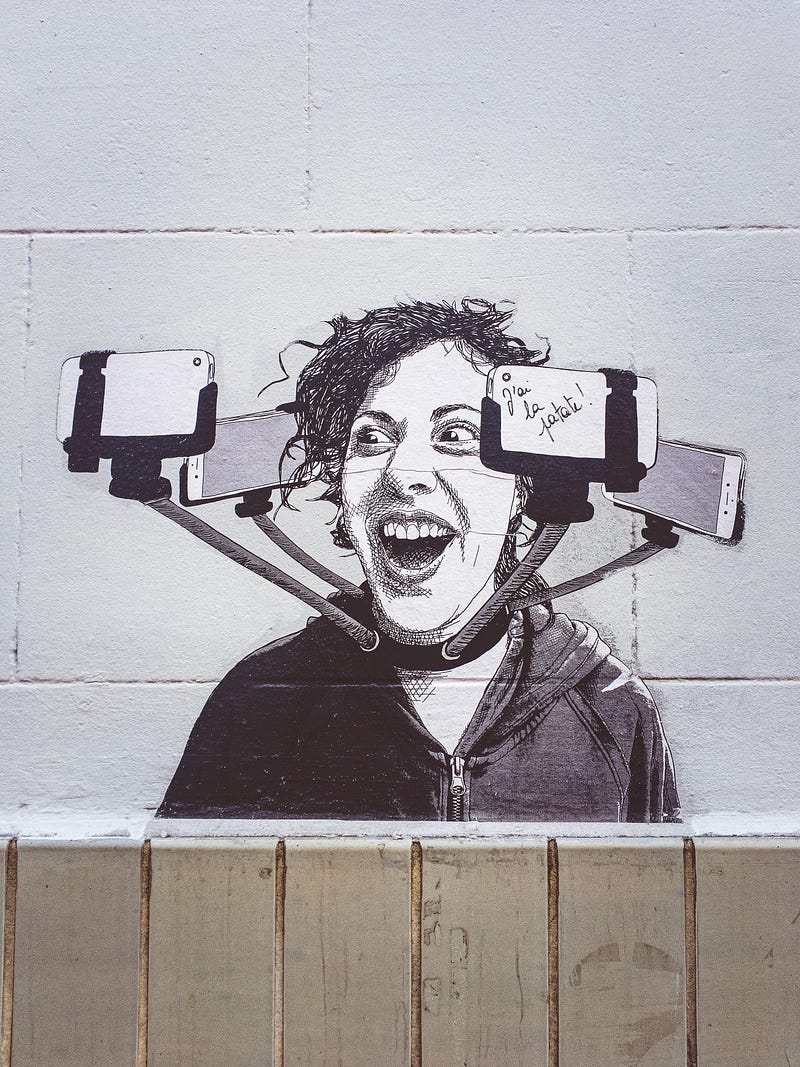
How can we be more mindful in a society that relies on and exploits our distractibility?
I never really thought about how often my attention gets hijacked — until I tried to sit quietly for five minutes. One minute I was breathing; the next, I was thinking about emails, dinner plans, my to-do list, a conversation from last week, and whether my phone just buzzed. It was like my brain couldn’t help itself — constantly scanning for the next thing to react to.
The scariest part? This felt normal.
It wasn’t until I really started practicing mindfulness that I realized how much of my attention I had been handing over without even noticing.
We have designed a world that keep us distracted. Notifications, endless scrolling, breaking news, sensational headlines — everything is competing for our attention 24/7. And the more fragmented our attention becomes, the harder it gets to regulate our emotions, stay grounded, and actually feel present in our own lives.
Mindfulness isn’t just a nice idea anymore — it has become a radical act of reclaiming our own minds.
At its core, mindfulness is simple: the ability to be fully present with what’s happening right now. But in order to do that, you need one thing: attention.
Think of your attention like a flashlight. Wherever you shine the beam, that’s what you become aware of. But — and this is the part most of us miss — you’re the one holding the flashlight.
Your mind will constantly offer up distractions, both external (notifications, noise, emails) and internal (worries, memories, emotions). But you still get to decide where to point the light.
“Mindfulness is the element that regulates attention, strengthening the mental muscle that intentionally directs and redirects our choices to how, whom, what, and where to focus our energy.”
But if you’re like me, you were never really taught how to regulate attention. If you did, we wouldn’t experience a culture that profits from our distractibility.
Every app, every headline, every “breaking news” alert is designed to pull your flashlight beam somewhere else — usually toward fear, outrage, or comparison.
And every time that happens, you hand over a little more of your emotional energy.
“Attention is the true currency of the modern world. Not money. Not power. Attention.”
This is why mindfulness is so powerful. It trains you to notice when your attention drifts — and gently bring it back. Not with harsh self-criticism, but with patience, kindness, and a sense of humor. Because you will get distracted. A lot. And that’s not a failure. That’s literally the practice.
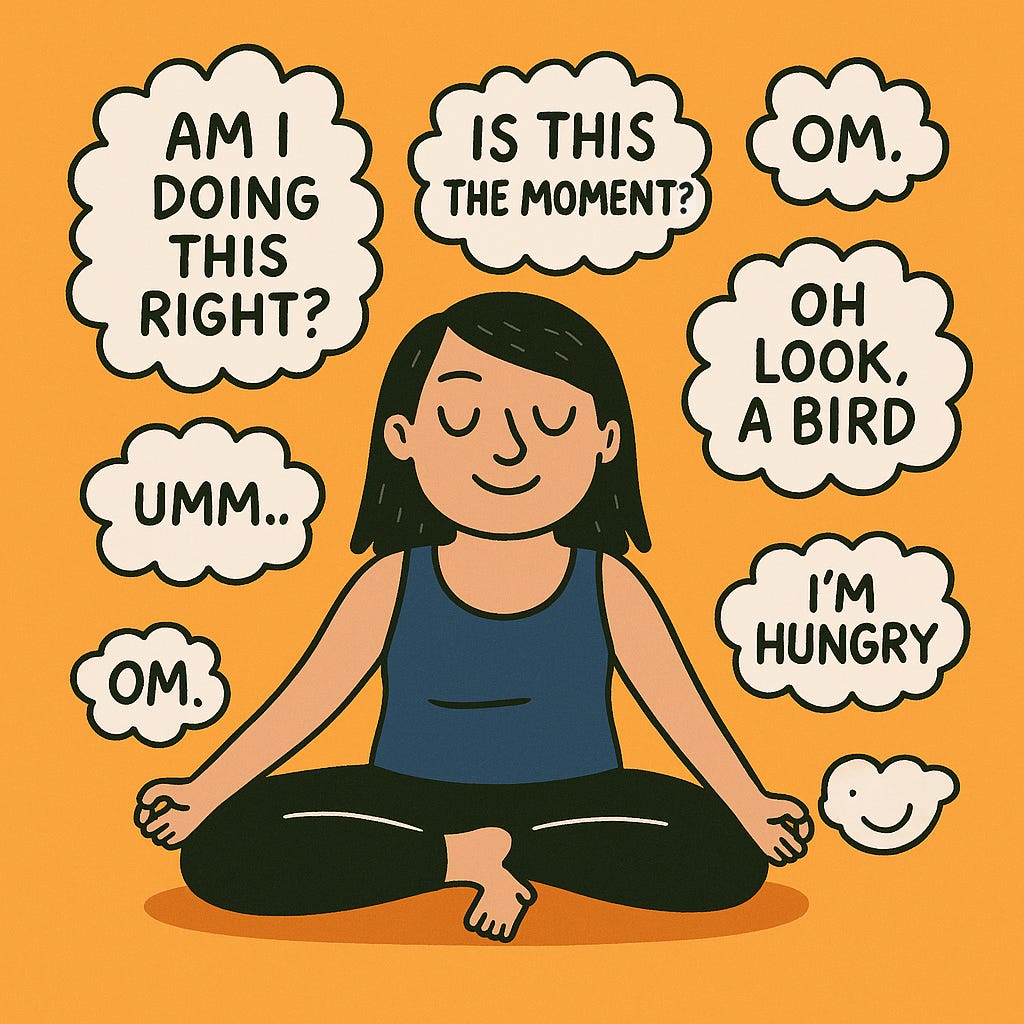
The quality of your attention matters too. If you bring harsh judgment into your mindfulness practice — scolding yourself every time your mind wanders — you’re just reinforcing self-criticism.
Instead, mindfulness invites a different attitude: on of curiosity, acceptance, compassion.
“Intentions set the stage. Attitude sets the tone.”
And let’s be real: regulating your attention isn’t just about sitting on a cushion. It’s about everyday life. It’s about noticing when you’re doom-scrolling through your phone, feeding anxiety with news headlines, or falling into comparison traps on social media. It’s about choosing to step away when you realize that what you’re focusing on is draining you.
One of the most practical ways to check where you’re giving your attention away is to do a simple media fast. After reading the news or scrolling social media, pause and ask yourself:
Did this actually give me helpful information?
Or did it just make me feel more stressed, angry, or powerless?
If the answer is the latter (which, let’s be honest, it often is), that’s valuable data. Because when you’re constantly feeding your mind with negativity, you’re training your nervous system to live in chronic stress. And when you're stuck in that low-frequency state where problems seem to pop out of nowhere, you're not in the place where real solutions — or peace — can emerge.
“If you don’t have a solution, it doesn’t serve you to be focusing on the problem.”
Mindfulness helps restore this balance by teaching you to bring your attention back to what you can control: your breath, your body, this moment, your own choices. And from that place of grounded awareness, you regain clarity, creativity, and emotional resilience.
The truth is, if you want your power back, you have to know where you’re giving it away. Mindfulness isn’t about tuning out from the world — it’s about being fully present in it, without being consumed by it.
I've been thinking... Attention! Here and Now

Some books don’t just offer a story — they gift us a blueprint for remembering. A way back to the present. To possibility. To what we lost in the noise of our adaptations.
Final Thoughts
Your attention is one of the most valuable things you have. Every moment you reclaim it, you’re choosing
presence over distraction, and
sovereignty over manipulation.
Mindfulness gives you the skillset to make those choices — not perfectly, but consistently, one moment at a time.
Want to keep exploring?
Watch the full episode:
If you’re new here, welcome! This is part of the Emotional Wellbeing Series, where we learn how to build a relationship to ourselves to live more consciously. So far, we’ve been exploring the foundations of emotional intelligence — and now, we’re diving into the next layer of self-awareness, mindfulness.
👉 Whenever you are ready, you can start from the beginning here.
Where are you giving away your attention without realizing it? What habits or distractions leave you feeling more drained than nourished?
Let me know in the comments — I’d love to know what you’re reclaiming your focus for.